A printed blackjack strategy chart is one of the few weapons a regular player can actually keep in their back pocket, and I’ve seen the same principle work in CRM automation across iGaming and membership programmes in APAC: a simple, repeatable decision tree beats guesswork every time. For an Australian sitting down at a local club or logging in from home, having the best blackjack strategy chart for printable use means fewer second-guessing moments and more consistent hand decisions. You can grab a clean version at 88fortunesau.com and keep it on the fridge or in your wallet, so the table never has to be a memory test.
Why A Printed Chart Beats Memory On Real Tables
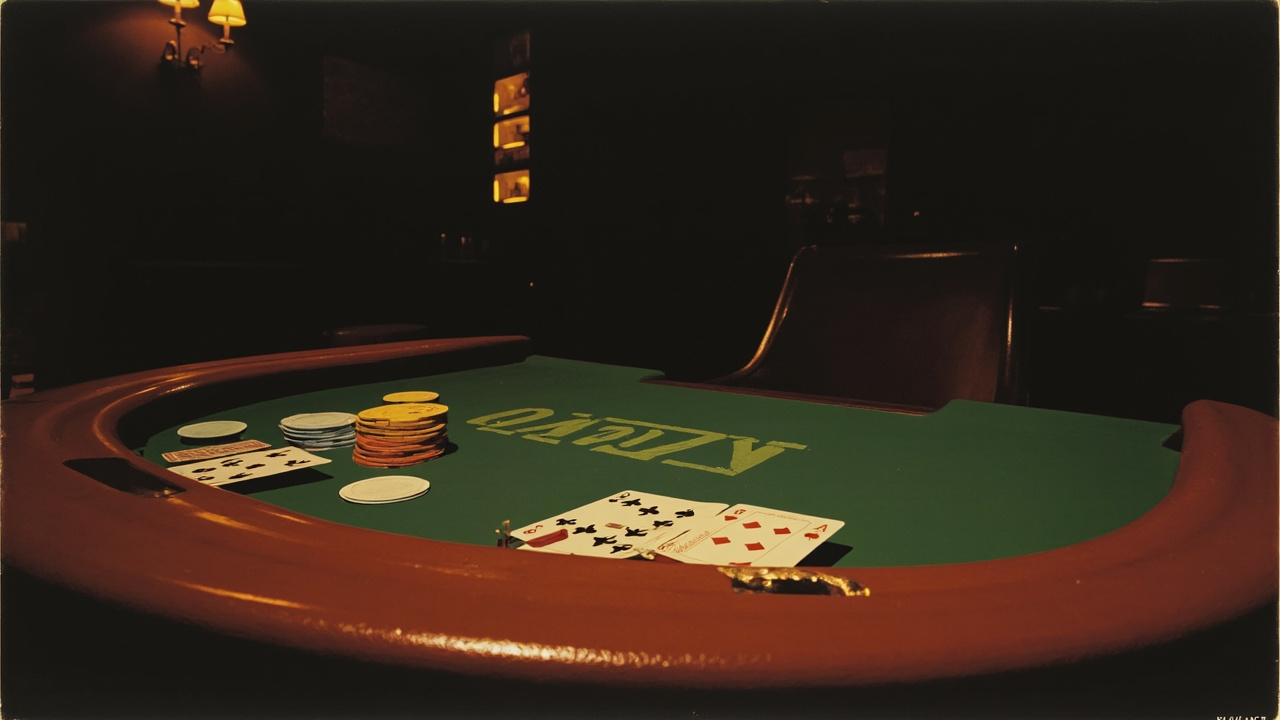
Most punters reckon they know basic strategy until the cards get hot and the arvo light starts fading across the felt. A printed chart removes that fog because every decision is already worked out for the exact rules you’re sitting under. In my lifecycle marketing work I’ve run automated messaging flows for membership clubs where the same decision logic had to fire consistently across thousands of members, and the pattern is identical here: a fixed rule set reduces costly hesitation. When you’re playing a six-deck game with dealer stand-on-soft-17, the chart tells you exactly when to double, split, or surrender instead of leaning on a gut feeling that costs you money over a long session.
The practical difference shows up fast for an ordinary Australian reader. Say you’re down at a Western Sydney club on a quiet Tuesday, playing a $25 table with a mate, and you’re dealt a hard 16 against a dealer 7. Without a chart you might stand out of habit, but the printed decision line says hit, and that single correction is the kind of edge that compounds across dozens of hands. I’ve seen the same kind of recurring value matter long after a welcome bonus has been used up – clubs that keep punters coming back usually run cashback rounds, loyalty point ladders, or weekend tournaments that reward repeat play rather than one-off luck. A chart helps you actually keep enough bankroll in play to benefit from those ongoing promos instead of blowing through a table stake on avoidable errors.
Long shots do exist in this game, but they come from betting on outsiders at long odds, not from pretending basic strategy can turn a negative expectation into a sure thing. The chart is about reducing the house edge on the decisions you control, which matters more than chasing a single big win. Even so, the social side of a regular table can be worth something on its own: Packer reportedly tipped casino staff extraordinarily generously after big wins, and that kind of room energy is part of why seasoned players keep returning to a venue they trust. If a club’s hosting team actually knows your name and a casino host arranges perks for valued regular players, you’re getting a fuller experience than the cards alone, and a printed chart keeps your decisions steady inside that environment. 88fortunesau.com
Glossary
- Hard hand – a hand without an ace, or with an ace that can only count as 1.
- Soft hand – a hand with an ace counted as 11 without busting.
- Double – doubling your original stake after receiving exactly one more card.
- Split – dividing a pair into two separate hands with an extra bet on each.
- Surrender – giving up half your bet before the dealer checks, where the rules allow it.
How To Use The Chart Without Slowing The Game Down
A strategy card is only useful if you can actually read it under real table conditions, so the best blackjack strategy chart for printable use needs to be laid out in a way your eyes can scan in a couple of seconds. I’ve designed automated campaign journeys where the same message had to land correctly whether a member opened it on a phone or a desktop, and the lesson carries straight over: clarity beats cleverness. For a blackjack chart that means grouping decisions by your hand total on one axis and the dealer’s upcard on the other, with the action words – hit, stand, double, split, surrender – printed large enough to read from a seated position without leaning over the felt.
The first time you use it at a Western Sydney club or on a mobile session at home, keep it simple and don’t try to memorise the whole grid in one sitting. Start with the hard totals, because those are the hands where most players lose the most money by standing on weak numbers or hitting when they should fold the decision to the dealer. Once those lines are automatic, move to soft hands and pairs, which are where doubling and splitting actually change the maths in your favour. Emily Phillips, Product Analytics Lead, Kangaroo Point Analytics, puts it plainly: “Players who treat the chart as a reference rather than a memory test tend to make fewer expensive mistakes in the first twenty minutes, and that’s where the session usually gets decided.”

Speed matters, but so does not drawing heat from the dealer or other players. A printed card is generally accepted in most low-pressure club and online settings, though some busy tables prefer quicker play, so the trick is to learn the common spots first and keep the card for the corners you’re unsure about. If you’re playing on a phone, the same chart can sit in a saved image or a notes file, but a paper copy still wins when you want to glance down without switching screens. Either way, the goal is the same: make the right call without turning the table into a study session, and keep enough discipline to stay in the game long enough for the recurring promos and loyalty rewards to actually matter.
Where The Chart Fits In A Broader Club Or Online Routine
A strategy chart is not a standalone magic trick, and I’d be wary of any setup that sells it that way. In my experience running lifecycle programmes across membership and iGaming markets, the real value comes from combining a solid decision tool with a venue or platform that keeps giving you reasons to return after the first deposit. That means looking for recurring promos, cashback on bad runs, loyalty tiers that actually convert into meaningful perks, and tournaments that let a regular player compete on a level field rather than just burning through a one-off bonus. When I’ve audited retention flows, the programmes that hold members longest are the ones where the ongoing value is visible and repeatable, not buried behind fine print.
For an Australian player, that broader routine also means being clear about what you’re signing up for and where the line sits on regulation. I’m not suggesting any offshore casino play is licensed or regulated in Australia, so the sensible move is to treat the chart as part of a disciplined session inside the local or legally available options you’ve already checked yourself. If a club or site has a real hosting structure, a casino host who arranges perks for valued regular players can make the difference between a one-night visit and a place you keep coming back to, but that relationship only works if your own decisions are sound and your bankroll management is honest. Roulette Betting Chart Printable Guide For
The same discipline shows up in the ordinary stuff around the game. Think of a player who’s just finished a shift in Western Sydney, grabs a coffee, and sits down for a measured session with a printed chart on the table – the point isn’t to chase a long shot from betting on outsiders at long odds, it’s to play steady hands, keep the edge where it belongs, and leave enough in the tank for another arvo if the cards go cold. A chart supports that kind of play because it takes the emotion out of the moment, and when you pair it with a venue that runs real loyalty value and repeat-play reasons, you’ve got a routine that’s actually worth sticking with instead of a one-time fling.